






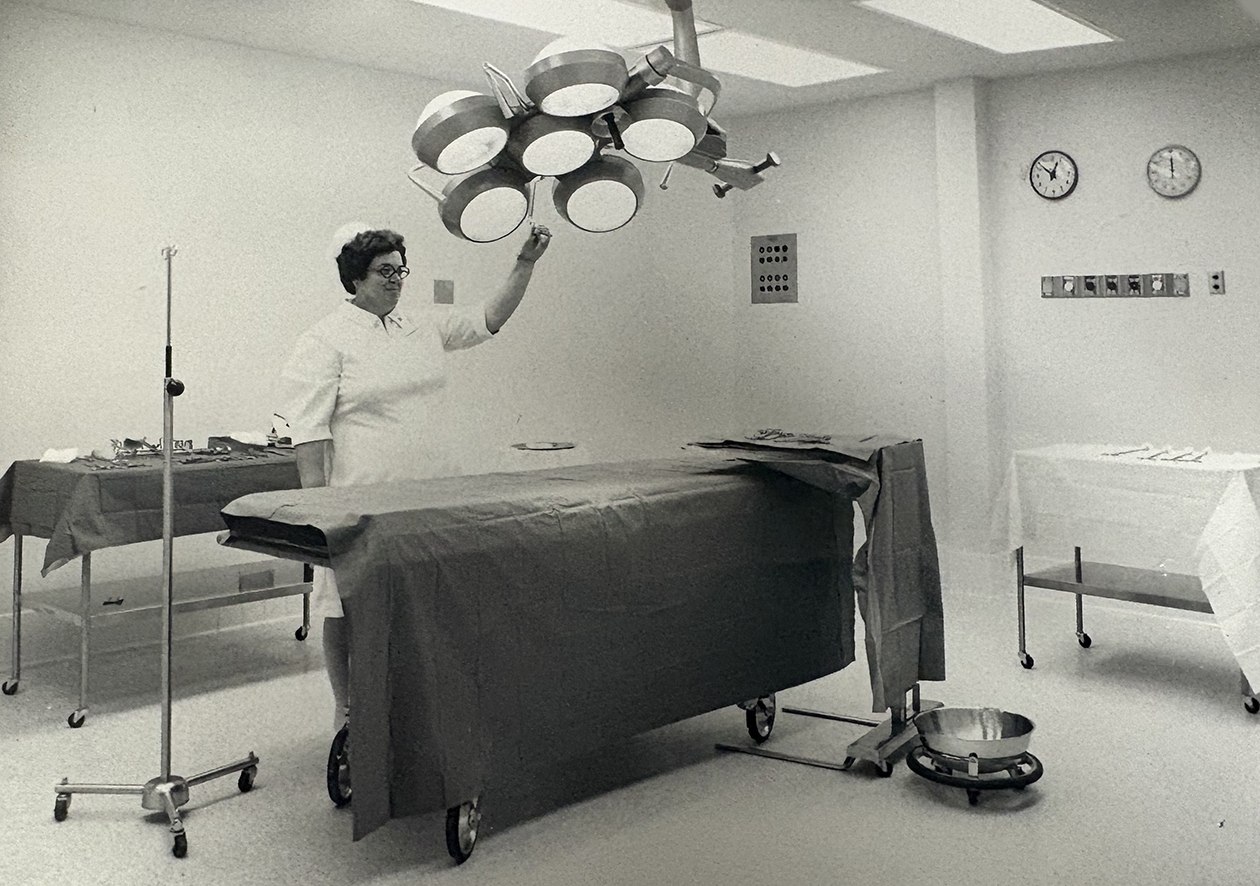
For more than five decades, Bolivar Hospital has been part of the story of Hardeman County, caring for generations of families, welcoming newborns, treating emergencies and providing services close to home. Its history reflects not only the evolution of healthcare but also the dedication of the employees, physicians and community members who helped keep local healthcare strong through changing times.
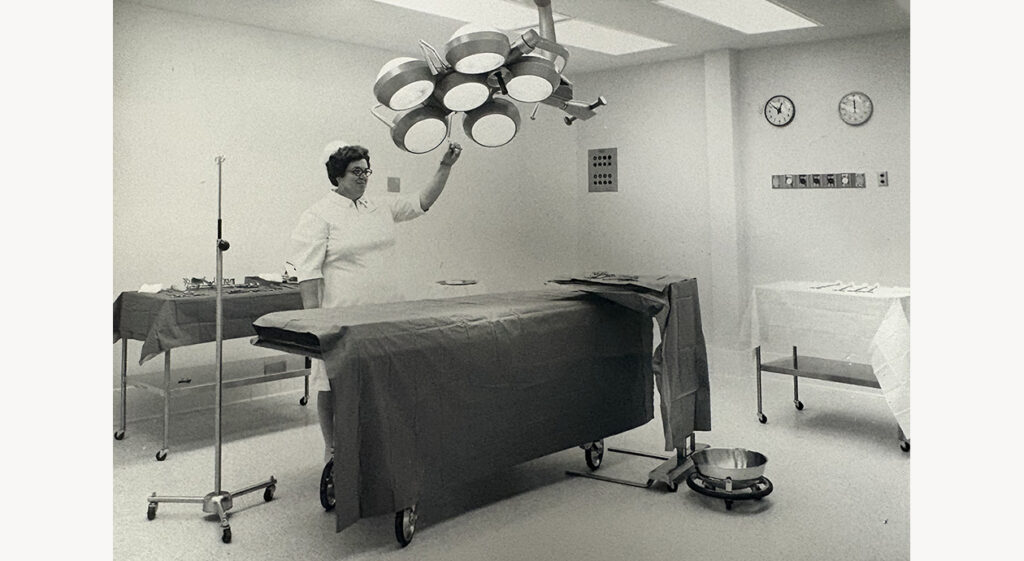
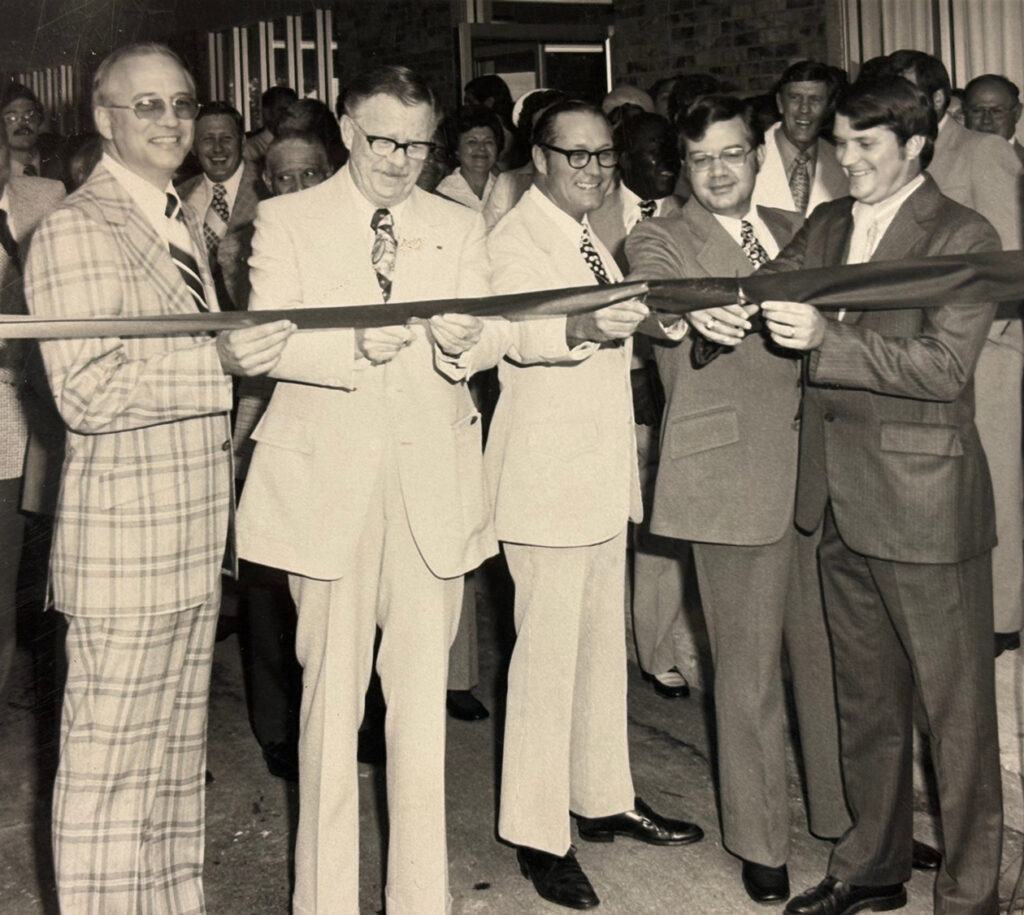
When Bolivar Community Hospital opened in September 1974, over 2,000 people attended the ribbon cutting, and this event marked an important milestone for the community. The hospital opened with approximately 61 beds and offered a range of services to meet the needs of local residents. At a time when medical care looked very different from what it does today, the hospital became an important resource for families throughout Bolivar and the surrounding rural communities.
In its early years, the hospital was a busy, community-centered facility. Patient rooms typically held two beds, and the hospital’s layout reflected the needs of the time. One area that is now part of the physical therapy department once housed a small office, while windows still visible in the building offer a reminder of the former nursery, where families could look in to see newborn babies.
Delivering babies was once an important part of the hospital’s services. Expectant mothers attended childbirth preparation and Lamaze classes, and families welcomed their newest members within the hospital’s walls. For many residents, those memories remain a meaningful part of Bolivar Hospital’s history.
The hospital also developed services that became significant resources for the community. Hospice care offered support to patients and families facing serious illness, while the Reflections Unit provided geriatric psychiatric care. These programs reflected the hospital’s efforts to respond to changing healthcare needs and provide more than emergency and inpatient care.
A New Chapter Under Jackson General
A New Chapter Under Jackson General
As the years passed, the hospital faced many of the same challenges experienced by small, rural hospitals across the country. Advances in medicine, rising operational costs and changes in how healthcare was delivered made it increasingly important to find ways to sustain local services.
The hospital eventually came under the umbrella of Jackson General and the broader West Tennessee Healthcare system. The transition brought changes to the way the hospital operated, including the gradual centralization of administrative responsibilities and billing in Jackson.
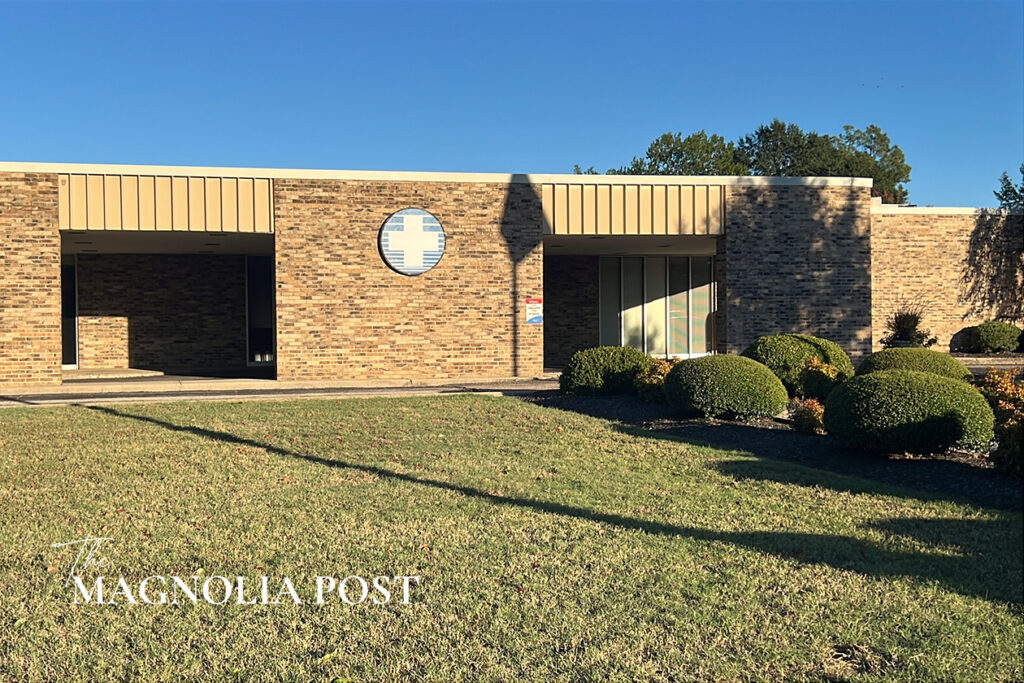
For employees who had spent years working in the local facility, the changes were noticeable. Work that had once required several employees in a local business office could increasingly be handled electronically and by centralized departments. Technology transformed recordkeeping, billing and communication, while changes in staffing and hospital services reshaped everyday operations.
Although the transition brought new ways of doing business, the need for local healthcare remained. WTH – Bolivar Hospital continued serving patients in Hardeman County, adapting its services and facilities as the needs of the community evolved.
More Than Four Decades of Memories
Missy Ingle, who has spent more than four decades at Bolivar Hospital, has witnessed that evolution firsthand.
Missy began working at the hospital in 1984, shortly after graduating from high school. Her first position was on the switchboard, where she spent a year answering calls and directing them to the appropriate departments. She later moved into billing, beginning a career that would span more than 40 years.
Her memories offer a glimpse into a different era of hospital operations.
When she first started, computers were not part of every employee’s daily work. Staff members used terminals to look up patient account information, and billing involved typing forms on typewriters, preparing envelopes and mailing paperwork. Even keeping track of patients required careful attention and handwritten records.
While much has changed technologically, some memories are less about equipment and more about the people who filled the hospital.
Missy recalls a time when physicians regularly ate lunch in the hospital cafeteria alongside employees. During snowy weather, staff members might even wait for a physician to arrive so they could surprise him with a snowball fight. Employees also gathered for Christmas parties, picnics, softball and other activities that helped build relationships beyond the workplace.
Those connections were an important part of the hospital’s culture. Employees knew one another and often became part of one another’s lives outside the hospital. They celebrated milestones, shared meals, and created memories that lasted long after the workday ended.
The hospital’s history also includes stories of compassion and dedication. One former employee, Michelle LaCroix, worked as a licensed practical nurse while living with cystic fibrosis. After her death, hospital staff members purchased a small monument in her memory. The monument remains a reminder of the personal connections that have shaped the hospital community. Plans are in place to move the monument to the new facility.
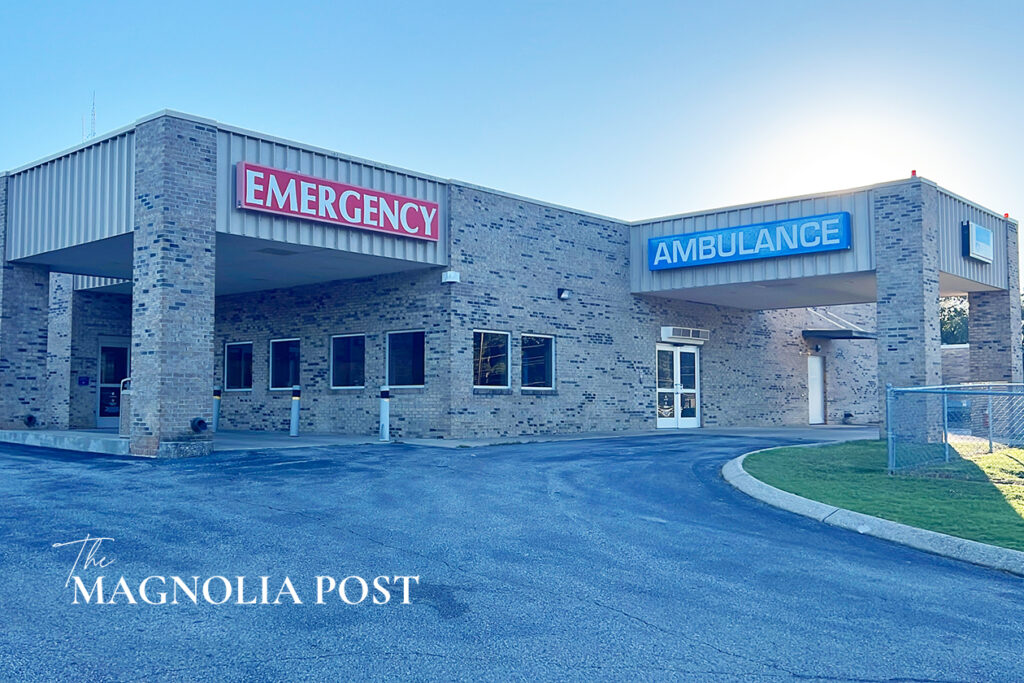
For Missy and other longtime employees, the hospital’s history is also reflected in the services that have come and gone. She remembers when the facility delivered babies, operated hospice services, and housed the Reflections Unit. She has watched the emergency department expand from a small room with curtains separating beds into a larger department with designated treatment and trauma areas.
She has also seen the hospital’s role in the community change as medical care has become more specialized, and technology has advanced. Services such as physical therapy, cardiac rehabilitation, and swing-bed care have become important resources for patients recovering from illness or surgery.
Throughout those changes, one thing has remained constant: the importance of having healthcare available close to home. For rural residents, traveling to a larger city for every medical need can mean additional time, expense, and stress. Local emergency care and outpatient services help patients receive treatment closer to their families and communities.
After more than 40 years at the hospital, Missy understands both the excitement and the sadness that accompany the move to a new building. The current hospital holds decades of memories, from the early days of her career to the everyday moments shared with coworkers and patients.
Leaving the familiar building will mean saying goodbye to a place that has been part of Missy’s life for most of her adult years. Yet she also recognizes that the move is necessary to continue meeting the community’s healthcare needs.
Looking Ahead: A New Hospital for a New Generation
Now, Bolivar Hospital is preparing for one of the most significant transitions in its history.
The new West Tennessee Healthcare Bolivar Hospital is scheduled to open November 9, 2026, at 760 Vildo Road in Bolivar. The new facility represents a renewed investment in rural healthcare and the future of medical services for Hardeman County and surrounding communities.
The modern hospital will feature six inpatient beds and 12 emergency department rooms, increasing emergency department capacity compared with the current facility. It will also provide updated imaging and diagnostic capabilities, additional negative-pressure isolation capacity, and continued access to services including physical therapy, cardiac rehabilitation, sleep lab services, and swing-bed care. The facility is designed to offer modern clinical spaces and improved efficiency while maintaining access to care close to home.
The new building will bring updated technology and a different environment for patients and employees, but its purpose will remain familiar, caring for people when they need it most.
Click to watch the video reel.
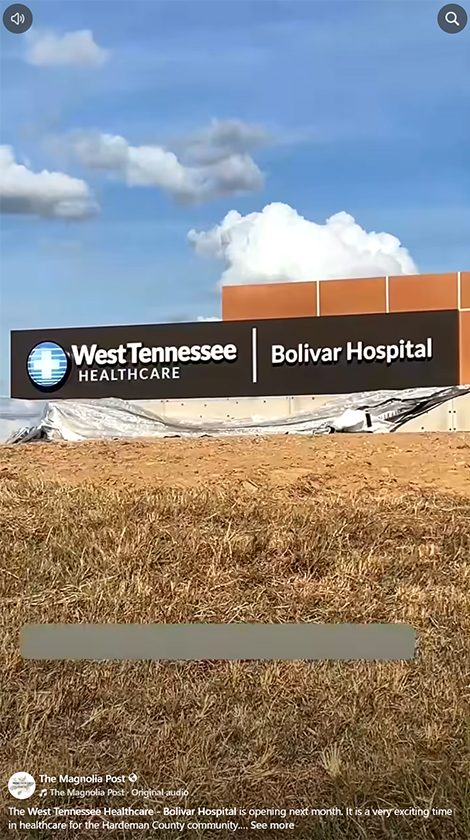
From the opening of Bolivar Community Hospital in September 1974, through the changes that followed its transition into the Jackson General and West Tennessee Healthcare system, the hospital’s story has always been about more than a building. It is a story of physicians and nurses, longtime employees, patients, and families whose lives have intersected within its walls.
As the doors prepare to close on one chapter and open on another, the memories of the original hospital will remain part of the community’s history. The new facility on Vildo Road carries that legacy forward, offering a fresh beginning built on more than 50 years of service, experience and commitment to the people of Hardeman County.