






By Rachel Howell, TSU Horticulture Extension Agent III
Hardeman County Extension and Master Gardeners Encourage Schools and Families to Celebrate Tennessee Agriculture Literacy Week, November 15–21, 2026.
Agriculture is a part of everyday life, yet many people may not realize just how much it impacts their families, communities, and the state of Tennessee. From the food on our tables and the clothes we wear to the livestock in our pastures and the crops growing in our fields, agriculture plays an essential role in providing the resources we depend on every day.
Tennessee is home to thousands of farms producing cattle, hay, soybeans, corn, cotton, poultry, fruits, vegetables, nursery plants, and many other agricultural products. According to the University of Tennessee, agriculture and forestry are major contributors to Tennessee’s economy and serve as important economic drivers for many rural communities. Supporting agriculture means supporting the farm families, growers, businesses, and workers who help keep our communities thriving.
Why Is It Important to Support Our Farmers and Growers?
Farmers and growers work year-round to produce food, fiber, and other products that people use every day. Their work requires knowledge, dedication, investment, and a great deal of time, often with challenges beyond their control, including weather, pests, rising production costs, and changing markets.
When consumers support local agriculture, they help strengthen the local economy and encourage the continued production of agricultural goods close to home. Families can support farmers by shopping at local farmers markets, purchasing directly from farms when available, buying locally grown produce, visiting farm stands, and learning more about the products grown and raised in their communities.
Supporting agriculture also means helping the next generation understand where their food comes from and appreciating the people responsible for producing it. Agricultural education can help children and adults better understand farming, gardening, natural resources, and the importance of caring for the land.
Planting Seeds of Knowledge During Agriculture Literacy Week
Tennessee Agriculture Literacy Week will be celebrated November 15–21, 2026. The annual observance encourages agricultural education and helps students understand the importance of agriculture to Tennessee and our nation.
Tennessee Farm Bureau plays an important role in agricultural education through its Agriculture in the Classroom (AITC) program, which helps connect students and educators with information about agriculture and its importance in our daily lives. Through books, classroom resources, and educational activities, Ag in the Classroom helps students better understand where their food and fiber come from and the important role farmers play in providing them. The efforts of programs like Ag in the Classroom, along with local Extension and Master Gardener volunteers, help bring agriculture into schools and encourage students to share what they learn with their families and communities.
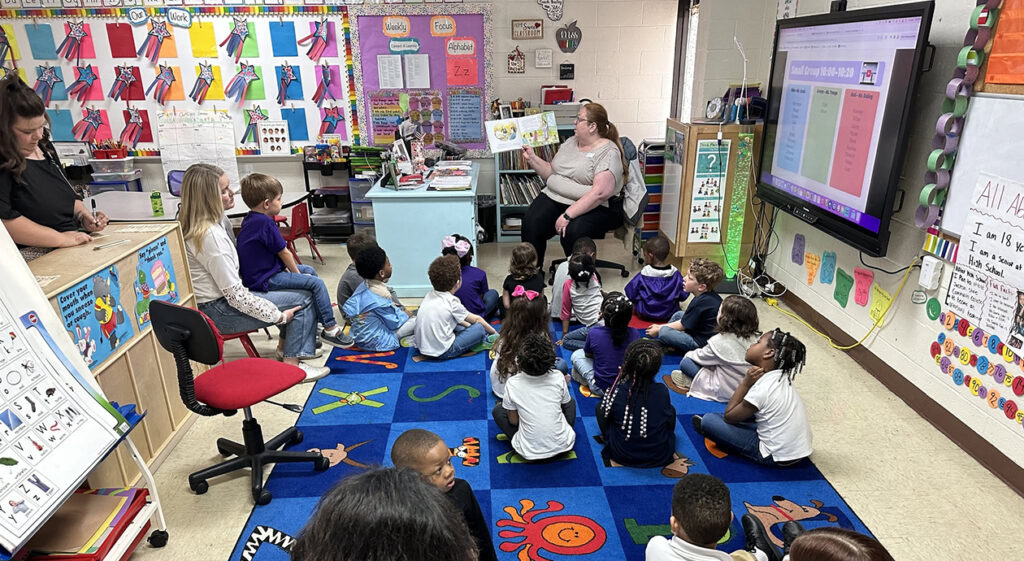
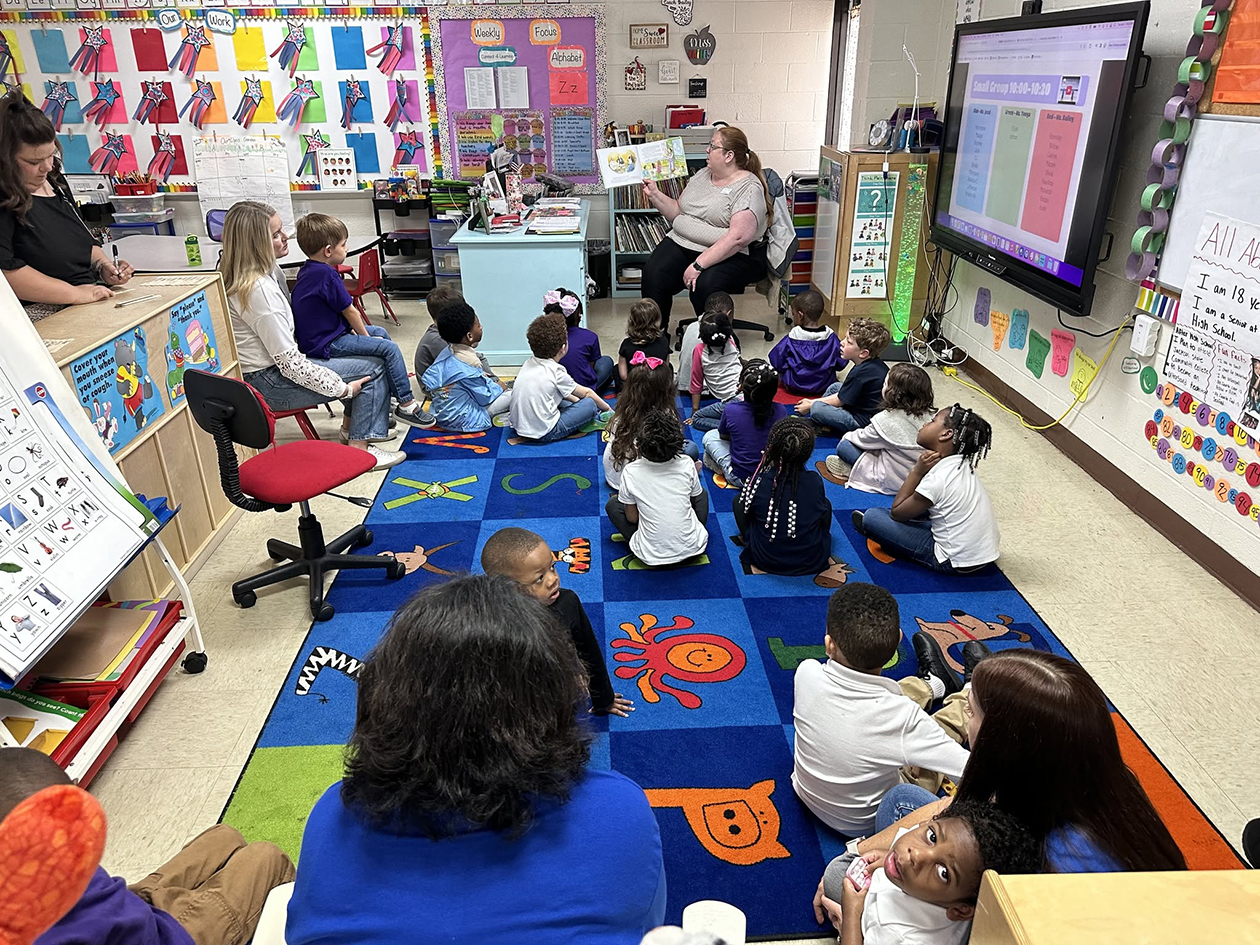
Hardeman County Extension Agent Rachel Howell and the Hardeman County Master Gardeners want to help bring that message into local classrooms by volunteering their time to read agriculture-themed books to students throughout the county.
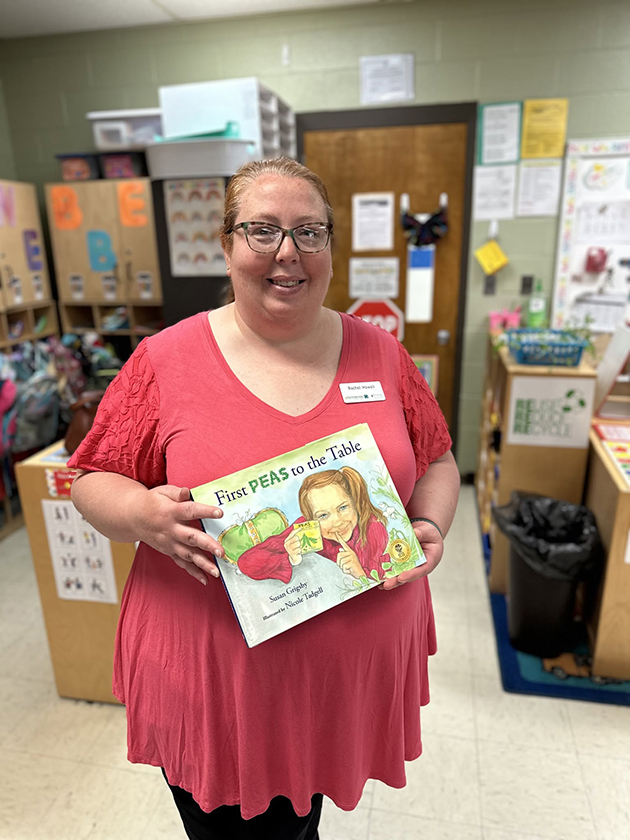
Books provide a fun and engaging way to introduce children to farming, gardening, livestock, crops, and the journey food takes from the farm to the table. Howell and the Master Gardeners welcome opportunities to visit classrooms willing to host a reader. Although Agriculture Literacy Week provides a special opportunity to participate, schools may contact UT/TSU Extension to discuss other opportunities to share agricultural knowledge with students throughout the year.
“Our goal is to help children understand how agriculture touches their lives every day,” Howell said. “When students learn where their food comes from and meet people who care about growing plants and raising animals, they have an opportunity to develop a greater appreciation for agriculture and the people who make it possible.”
Taking What Students Learn From School to Home
Agricultural education does not have to end when the school bell rings. Children can take what they learn in the classroom home to share with parents, grandparents, and siblings. A classroom story about pumpkins, for example, could lead to a family conversation about how pumpkins grow, what farmers do throughout the growing season, or how a pumpkin travels from a field to a grocery store or farm stand.
Families can build on these lessons by visiting local farms and growers when public tours, farm events, or agritourism activities are available. Hands-on experiences allow children to see crops growing, learn about livestock, ask farmers questions, and gain a better understanding of the work involved in producing agricultural products. Families should contact farms in advance to ask about visiting opportunities, schedules, and any safety guidelines.
These experiences can help children connect what they read in a book to the world around them. They can also encourage families to support local producers and make agriculture a meaningful part of their everyday conversations.
An Invitation to Hardeman County Schools and Families
Howell encourages teachers, school administrators, and educators throughout Hardeman County to take advantage of this opportunity to introduce students to agriculture. The Extension office and Master Gardeners are eager to share their time and knowledge with classrooms that would welcome a volunteer reader.
Teachers interested in scheduling a classroom visit or learning more about agricultural education opportunities may contact Rachel Howell at the Hardeman County UT/TSU Extension Office at (731) 658-2421 or by email at [email protected].
Agriculture is more than what happens on a farm. It is connected to our food, our economy, our environment, and our future. By teaching children about agriculture today, we can help build a generation that understands its importance, appreciates the hard work of Tennessee farmers and growers, and recognizes the value of supporting local agriculture.
Sometimes, making that connection begins with something as simple as opening a book and sharing a story.