










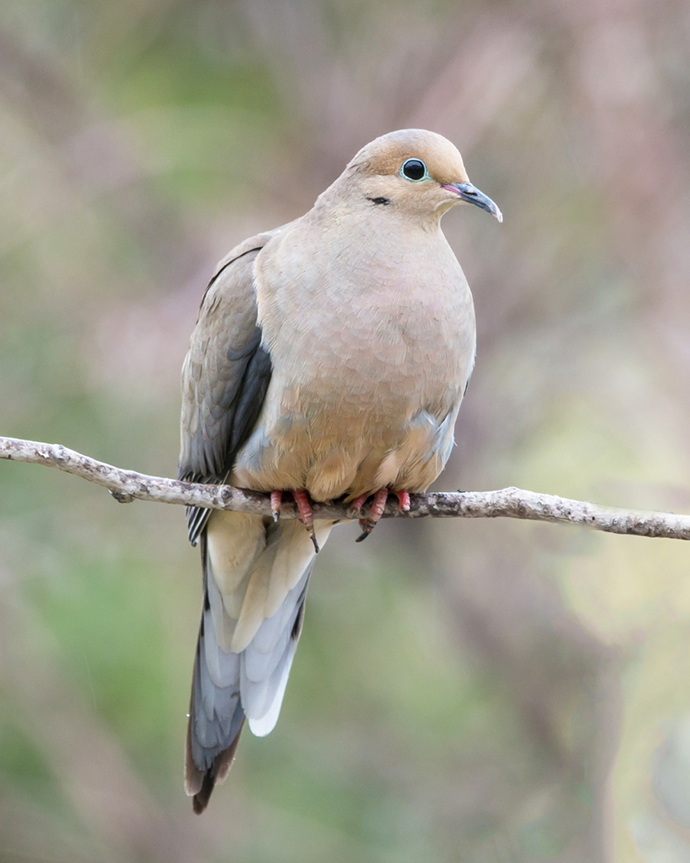
NASHVILLE — Tennessee’s 2026-2027 mourning dove season opens on Tuesday, September 1, 2026, at noon (local time), and is one of the state’s longest-standing hunting traditions. The season opener is the start of three hunting segments for the popular game bird.
Doves are found throughout various regions in the state, with the highest concentration in farming areas. The Tennessee Wildlife Resources Agency (TWRA) manages dove hunting fields in each of the four regions.
Hunters must have a valid state hunting license and a Tennessee Migratory Bird Permit while hunting. Before hunting on private lands, hunters are required to ask for permission. In Tennessee, an estimated 28,000 hunters harvest approximately 399,000 mourning doves each year.
The daily bag limit for mourning doves is 15, and there is no limit on collared doves. Doves not readily identifiable as collared doves will be considered mourning doves and will count toward the mourning dove daily bag limit. No person shall take migratory game birds by the aid of baiting, or on any baited area. Any auto-loading or repeating shotgun must be incapable of holding more than three shells while being used for dove hunting.
The first segment of dove season closes September 28, 2026. The second segment is October 10-November 1, 2026. and the final segment runs December 8, 2026, through January 15, 2027.
In addition to the start of dove season, the early season for Canada geese, brant, blue, snow, and Ross’ Geese (light geese) also starts on September 1, 2026, and runs through September 20, 2026. Other hunting seasons that open September 1, 2026. are moorhens, gallinules, and rails (Virginia and sora), with a closure on November 9, 2026. The Tennessee Migratory Bird Permit is also required to hunt these species.
A short crow hunting season overlaps with the opening week of dove season, September 1-7, 2026. It will resume from September 11, 2026, through December 20, 2026, and hunting is allowed only on Fridays, Saturdays, and Sundays during this segment. Refer to the 2026-2027 Tennessee Fishing, Hunting and Trapping Guide for daily bag limits and more information.
The Tennessee Wildlife Resources Agency is responsible for protecting, managing, and conserving fish and wildlife species for the benefit of Tennesseans and visitors. The Agency also maintains public safety through law enforcement and safety education on waterways.
The Magnolia Post