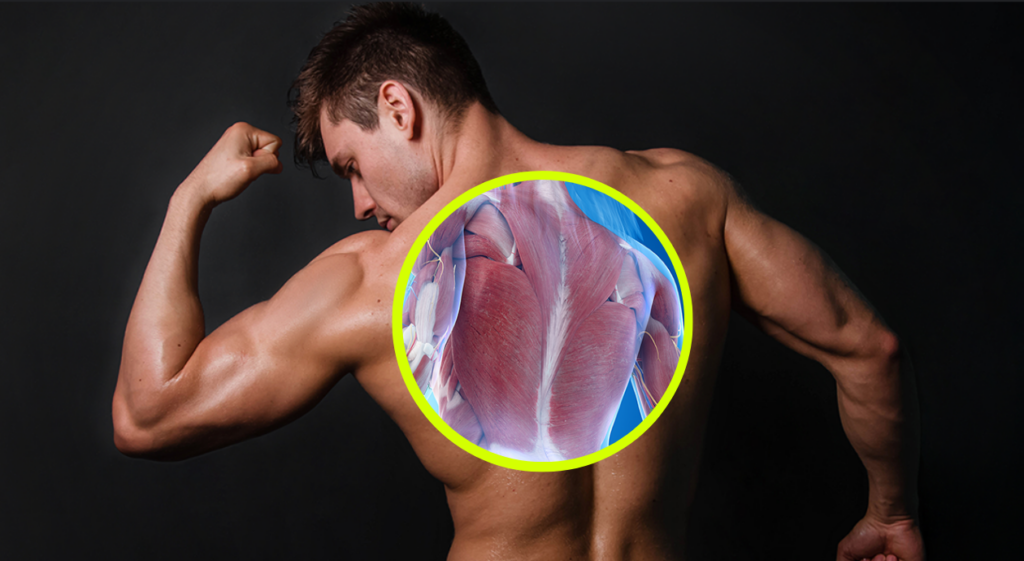




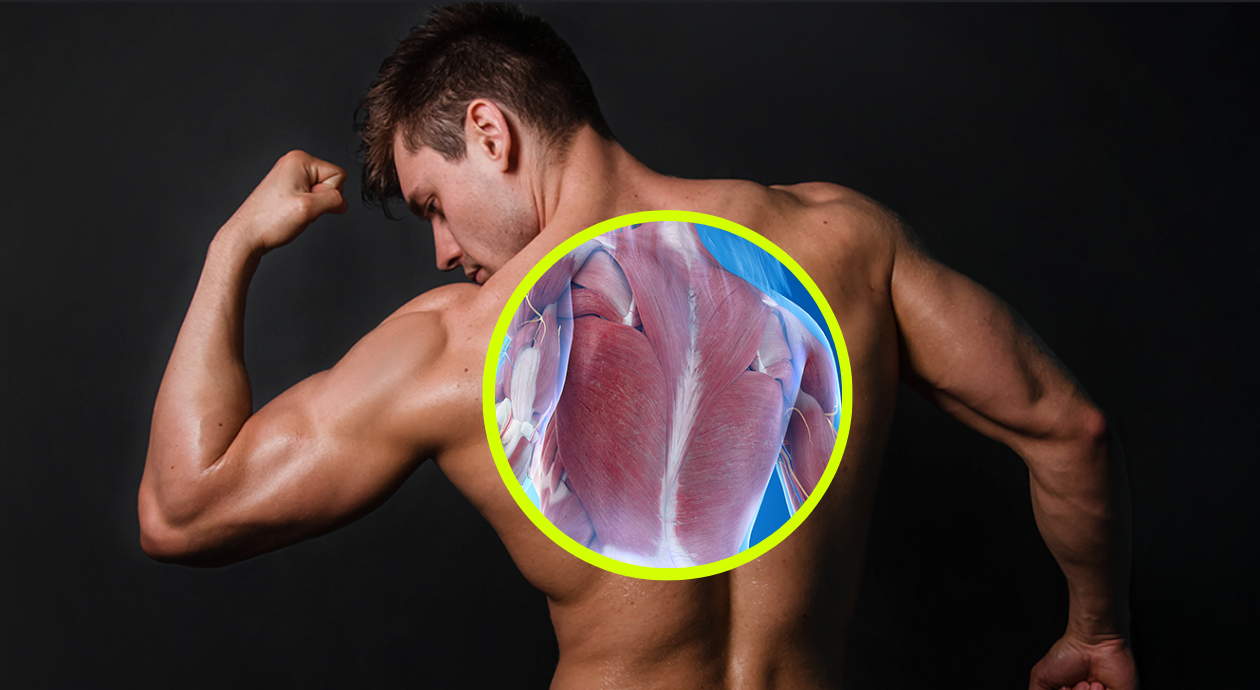
Most people think about muscle in terms of how they look. But the longer I work in health and fitness, the more convinced I am that muscle is the most underappreciated organ in the human body. That’s right — organ.
Scientists increasingly describe skeletal muscle as a metabolically active, hormone-secreting tissue that communicates with nearly every other system in the body. When you understand that, exercise stops being about vanity and starts being about survival.
Let’s start with something called sarcopenia. It sounds like a medical mystery, but it’s actually something that begins happening to all of us around age 30. After that point, we lose roughly three to five percent of our muscle mass per decade — and that rate accelerates after 60. By the time most people reach their 70s, they may have lost thirty percent or more of the muscle they had at their peak. The consequences go far beyond looking softer or feeling weaker. Muscle loss is directly linked to slower metabolism, insulin resistance, increased fall risk, longer recovery from illness, and a shorter lifespan.
The good news is that sarcopenia is not inevitable. It is, however, almost entirely driven by inactivity and poor nutrition. That means you have real, meaningful power over it.
Here is something that doesn’t get talked about enough: your muscles are a reservoir for your immune system. During times of illness, injury, or serious infection, your body pulls amino acids directly from muscle tissue to fuel immune cells and repair damaged organs. People with more lean muscle mass recover faster from surgery, fight infections more effectively, and tolerate cancer treatments better than those without it. The muscle you build now is, in a very real sense, a biological savings account you draw from when your body is under stress.
This is why resistance training — lifting weights, using resistance bands, doing bodyweight exercises like squats and push-ups — becomes more important with every passing year, not less. Cardiovascular exercise is valuable and necessary, but it does not build or preserve muscle the way resistance training does. Aiming for two to three sessions per week that challenge your major muscle groups is a reasonable, evidence-backed target. The load matters. Moving through discomfort, not pain, is the signal your body needs to retain and rebuild what age tries to take away.
Protein intake is the other half of the equation. Muscle protein synthesis — the process of building and maintaining muscle — requires adequate dietary protein, and most adults over 50 are not eating nearly enough of it. The outdated recommendation of 0.8 grams per kilogram of body weight was designed to prevent deficiency, not to preserve muscle as we age. Current research suggests that older adults benefit from closer to 1.2 to 1.6 grams per kilogram daily, distributed across meals. Prioritizing protein at breakfast is particularly effective, since most people front-load carbohydrates in the morning and leave protein for dinner when muscle protein synthesis is less responsive.
Practically, this means aiming for 25 to 40 grams of high-quality protein per meal — eggs, Greek yogurt, cottage cheese, meat, fish, legumes. It means not treating protein as optional or secondary. It means recognizing that what you eat has a direct, measurable effect on whether your muscles thrive or quietly disappear.
None of this is complicated. But it does require that you decide muscle matters to you — not because of how your arms look, but because of what your body is capable of doing for the next 20, 30, or 40 years.
The body you are living in right now is responding to what you do with it today. Lift something. Eat your protein. Do it again tomorrow. That decision, made consistently, is one of the most powerful acts of self-care available to any of us at any age.
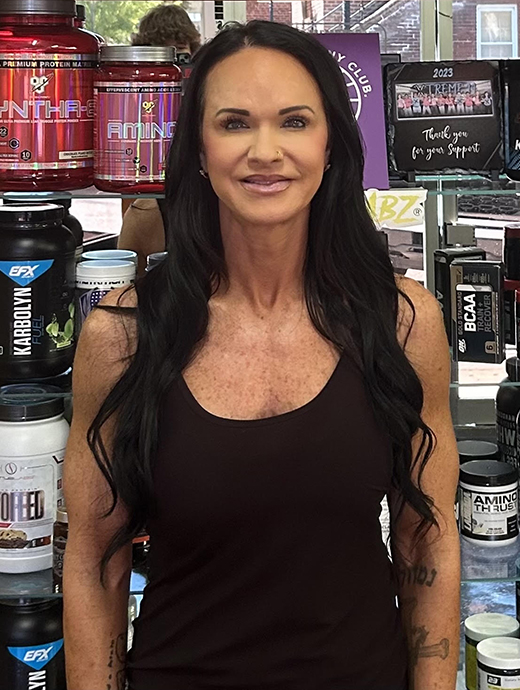
Contributor Brittany Mayfield
Brittany Mayfield is a certified fitness and nutrition professional and co-owner of Anytime Fitness in Bolivar, Tennessee, which she runs alongside her husband, Adam. She holds certifications through ISSA, ACE, and NASM, a Nutrition degree from the University of Central Florida, and seven nutrition certifications — including a specialty as a Female Hormone Nutritionist. Together, she and Adam have competed in more than 30 fitness competitions, giving her a firsthand understanding of what real dedication to health looks like at every level.
Brittany’s approach centers on honest,
personalized guidance — especially for women who feel like they’re doing everything right but still aren’t seeing results. She believes that real progress starts with understanding your own body, not following a one-size-fits-all plan. Her gym, Anytime Fitness in Bolivar, reflects that same philosophy: a community-driven environment where members are encouraged, supported, and treated like family.